Welcome to DEXIN Industrial Door Co., Ltd


-
Product
Welcome to DEXIN Industrial Door Co., Ltd

In the pharmaceutical and food industries, operational standards are far more than procedural guidelines—they are fundamental obligations that safeguard public health, ensure regulatory compliance, and protect the integrity of every product leaving the facility. Within this context, facility infrastructure plays a critical role, and among its components, airtight doors stand out as a vital yet often overlooked element. These doors are not merely points of access; they are engineered barriers that maintain controlled environments, prevent contamination, and support operational efficiency across the production chain.
One of the foremost concerns in pharmaceutical and food manufacturing is cross-contamination. Airborne particles, microorganisms, and even microscopic dust can compromise sensitive processes, whether it is the production of sterile pharmaceuticals or the packaging of allergen-sensitive foods. Airtight doors provide a physical barrier that separates different production zones, maintaining strict environmental integrity.
For example, in a pharmaceutical cleanroom, even a minor lapse in air pressure control can allow unfiltered air to enter, carrying microorganisms that compromise sterile formulations. In food processing plants, improperly sealed doors can lead to the spread of bacteria or allergens from one zone to another, risking product recalls, regulatory violations, and damage to brand reputation. By maintaining a consistent barrier, airtight doors play an essential role in preventing contamination before it occurs, protecting both product quality and consumer safety.
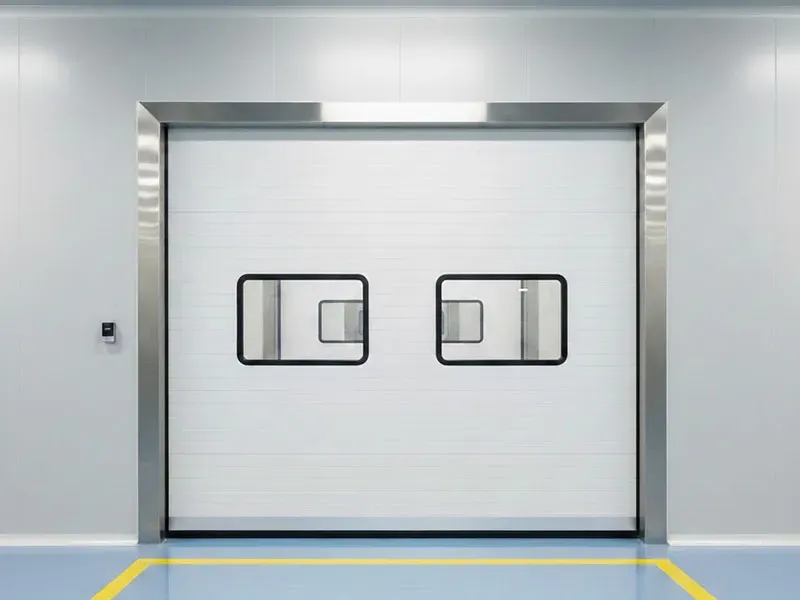
Pharmaceutical and food industries are heavily regulated, and failure to meet standards can have severe operational and financial consequences. Regulatory frameworks such as Good Manufacturing Practices (GMP) in pharmaceuticals and Hazard Analysis and Critical Control Points (HACCP) in the food sector set strict requirements for facility design, workflow, and environmental control.
Airtight doors are critical to meeting these requirements. They help maintain proper pressure differentials between rooms, which is crucial for preventing contaminated air from moving from lower to higher cleanliness zones. They also ensure that temperature and humidity remain stable, which is necessary for processes such as fermentation, sterile filling, or the storage of perishable ingredients. Facilities without proper airtight sealing risk failing inspections, receiving fines, or, in the worst cases, having production suspended. Selecting doors that meet international standards is therefore not just a technical choice but a strategic necessity for compliance and operational continuity.
Beyond contamination control and regulatory compliance, airtight doors contribute significantly to energy efficiency. Manufacturing facilities often operate multiple zones with tightly controlled temperature and humidity, which demands high energy consumption for HVAC systems. Doors that are not properly sealed allow conditioned air to escape, forcing systems to work harder to maintain required conditions, increasing energy costs and environmental footprint.
Airtight doors minimize these losses by providing a robust seal that retains the environmental conditions in each zone. Modern designs often include insulated panels, high-performance seals, and automated closing mechanisms that ensure optimal sealing every time the door operates. For facilities aiming to balance strict hygiene requirements with energy sustainability, investing in high-quality airtight doors is both a cost-saving and environmentally responsible decision.
Operational efficiency is another area where airtight doors prove their value. In high-throughput pharmaceutical and food production plants, every second counts, and workflow disruptions can be costly. Traditional doors may require manual handling, leading to delays and potential hygiene breaches. Automated airtight doors streamline movement between zones, reducing the need for human contact with door surfaces, which also limits the risk of contamination.
Moreover, well-designed doors reduce noise pollution and maintain air pressure consistency, creating a safer and more comfortable environment for employees. These operational benefits, while often understated, translate directly into improved productivity, lower error rates, and enhanced workplace safety.
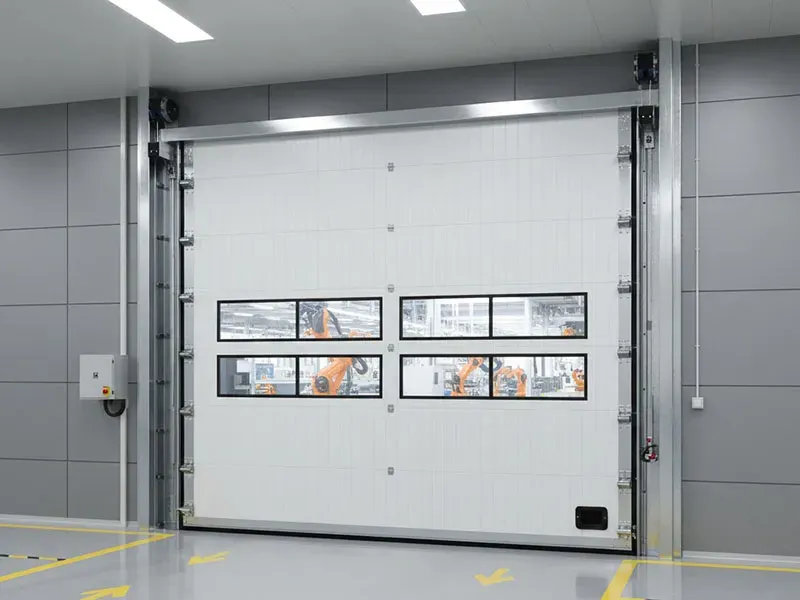
Selecting an airtight door involves careful consideration of multiple factors to ensure it meets the specific demands of pharmaceutical or food production environments:
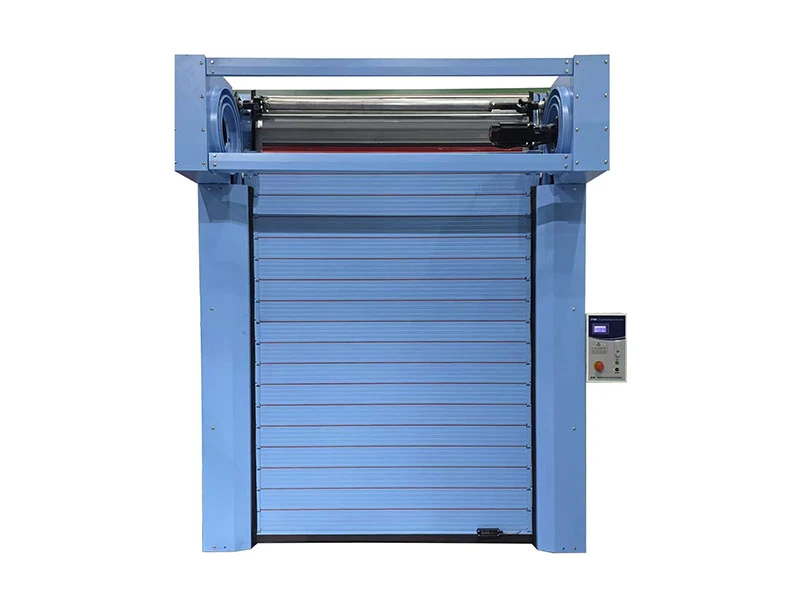
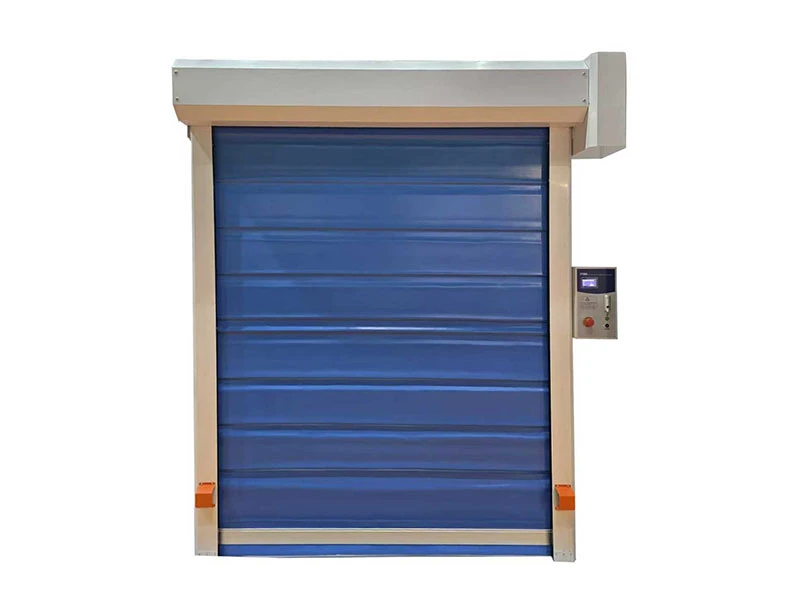
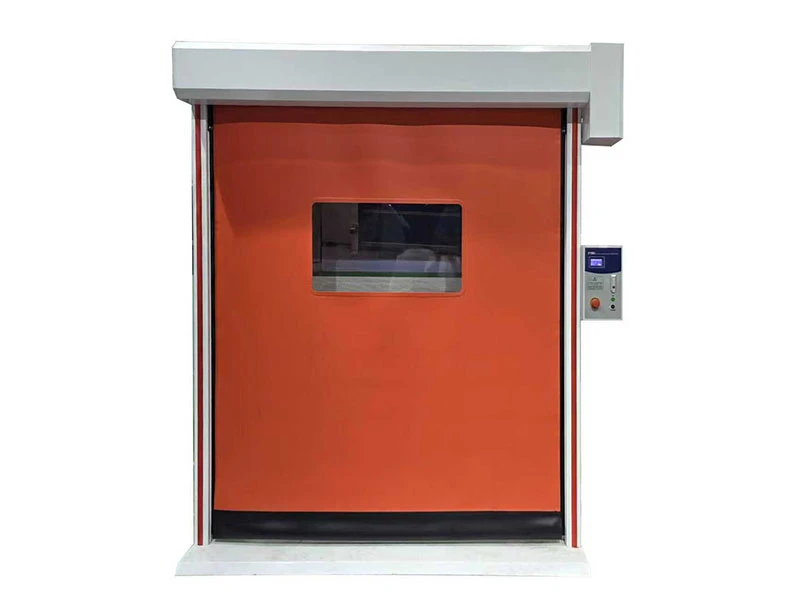
Materials: Doors are typically made from stainless steel or coated aluminum, chosen for durability, ease of cleaning, and resistance to corrosion. In environments with strict hygiene requirements, smooth surfaces and non-porous materials prevent bacterial growth and facilitate routine sanitation.
Sealing Mechanism: The quality of gaskets, frame alignment, and pressure control features determines the door’s airtight integrity. High-quality doors maintain consistent sealing over years of repeated use.
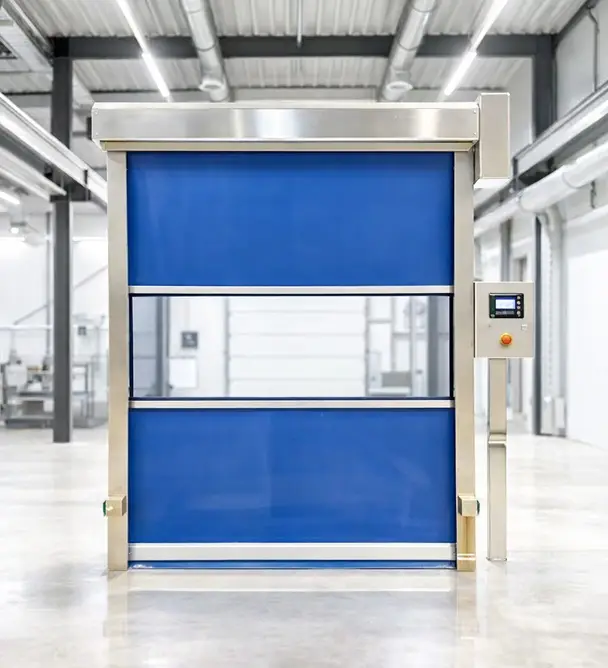
Automation and Access Control: Automated doors integrated with access systems or sensors help regulate traffic flow, maintain pressure differentials, and reduce manual handling, all of which enhance hygiene and operational efficiency.
Compliance Certification: Doors should meet international standards such as ISO 14644 for cleanrooms or local GMP and HACCP requirements, ensuring that facility investments align with legal and regulatory expectations.
Investing time in the selection process and partnering with reputable manufacturers ensures that doors perform reliably under the demanding conditions of production facilities, avoiding costly operational disruptions or regulatory issues.
The long-term advantages of implementing high-quality airtight doors extend beyond immediate operational needs. Facilities benefit from reduced contamination risks, lower energy consumption, and improved workflow efficiency, all of which contribute to sustainable operational excellence. Furthermore, demonstrating commitment to facility integrity through robust infrastructure can enhance a company’s reputation with regulators, partners, and customers, signaling reliability and quality in every product delivered.
In both pharmaceutical and food industries, where product safety and regulatory compliance are non-negotiable, airtight doors are indispensable. They protect controlled environments from contamination, support adherence to stringent standards, optimize energy use, and streamline operational workflows. For facility managers and production engineers, understanding the integral role of airtight doors is critical to designing safe, efficient, and compliant production spaces.
Ultimately, investing in high-quality airtight doors is not merely a choice of infrastructure—it is a strategic decision that safeguards products, ensures regulatory compliance, reduces operational costs, and reinforces a company’s commitment to excellence. In an industry where even minor lapses can have significant consequences, airtight doors are the silent but essential guardians of quality, safety, and efficiency.