Welcome to DEXIN Industrial Door Co., Ltd


-
Product
Welcome to DEXIN Industrial Door Co., Ltd

In modern industrial facilities where logistics speed, temperature control, and workflow efficiency directly affect operating costs, installing a fast door is no longer a simple equipment upgrade but a strategic decision. Whether it is a manufacturing plant, logistics warehouse, cold storage facility, or clean production workshop, a properly installed fast door system can significantly improve operational rhythm, reduce energy loss, and enhance overall safety performance.
However, many performance issues that occur later are not caused by product quality, but by insufficient preparation before installation or non-standard construction processes. This guide will walk you through what truly matters before installing a fast door, helping you avoid unnecessary downtime, hidden costs, and structural risks.
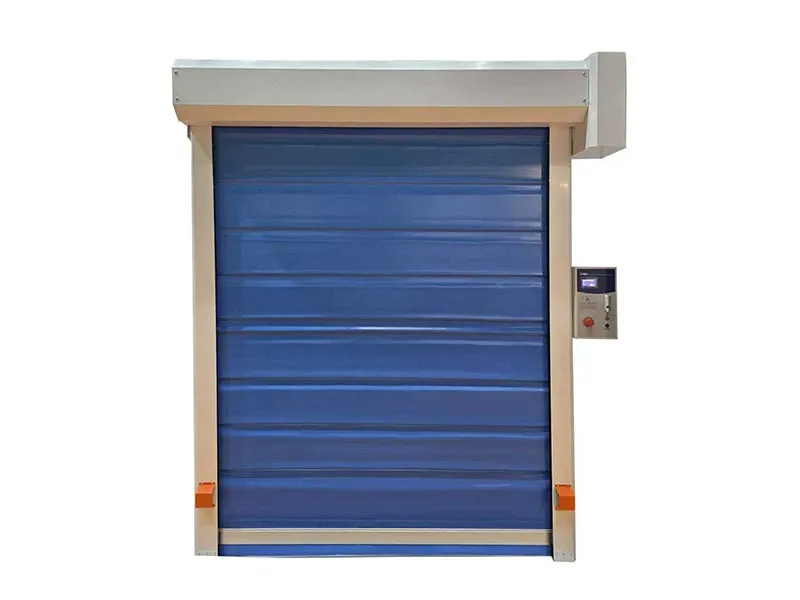
Before confirming any installation plan, the first step is to define where and how the fast door will operate. Different environments require different structural configurations, control systems, and safety levels.
For example, high-traffic logistics passages demand high opening frequency and rapid response systems, while cold storage environments prioritize thermal insulation and airtight sealing performance. Cleanrooms and food processing facilities often require smooth surfaces, easy cleaning design, and strict compliance with hygiene standards.
Clarifying the following questions in advance will help ensure installation success:
What is the daily opening frequency?
Is wind pressure resistance required?
Does the site involve temperature differences or dust control?
Will forklifts or automated guided vehicles pass through frequently?
Is integration with access control or warehouse management systems necessary?
A fast door should not only fit the opening size but also align with operational logic.
Accurate measurement is the foundation of a successful installation. Even minor deviations in width, height, or wall flatness may affect guide rail alignment and sealing performance.
Before installation, it is essential to assess:
Clear opening width and height
Lintel space (headroom above the opening)
Side room clearance for guide rails and motor units
Wall structure (concrete, steel structure, sandwich panel, etc.)
Floor levelness
If the wall structure lacks sufficient strength, reinforcement may be required. In steel-structure factories, mounting plates are often pre-welded to ensure stable load distribution. In masonry walls, chemical anchors or expansion bolts must be selected according to load requirements.
Ignoring structural conditions can lead to vibration, noise, or even long-term mechanical stress damage.
Fast doors rely on stable electrical systems to operate smoothly. Prior to installation, confirm the power supply specifications, voltage compatibility, and wiring routes.
Consider the following aspects:
Power supply voltage and phase type
Emergency stop positioning
Photoelectric sensors and safety edges
Radar or induction loop sensors
Remote control or access card integration
Connection to fire alarm or central control system
If the door needs to coordinate with automated production lines or logistics systems, signal communication protocols should be defined in advance. Early electrical planning avoids repeated modifications after installation.
Industrial fast doors are high-speed mechanical systems, and safety compliance must never be overlooked. Depending on the export market or local regulations, different certification standards may apply.
While standards vary across regions, common safety considerations include:
Anti-collision reset systems
Infrared protection sensors
Emergency manual opening devices
Wind resistance testing
Electrical overload protection
Ensuring compliance before installation prevents future operational interruptions and increases long-term reliability.
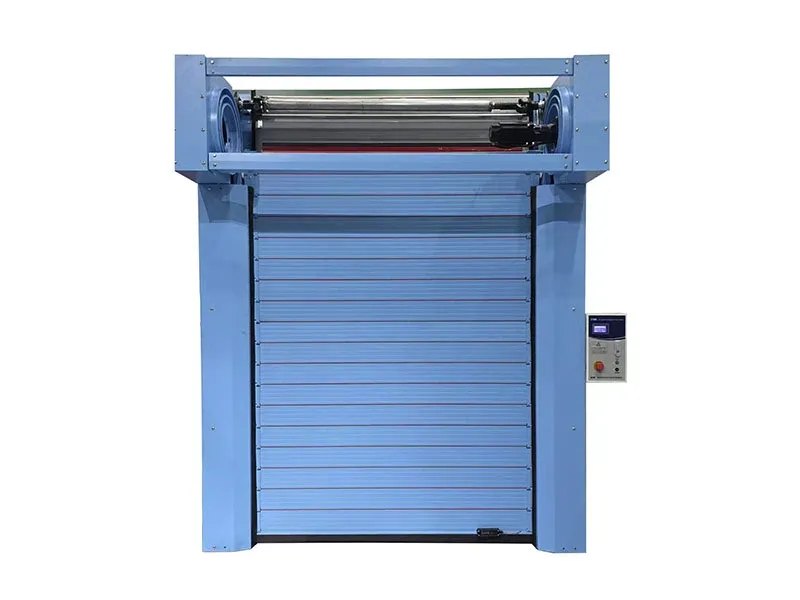
Environmental conditions play a critical role in both installation accuracy and long-term performance.
Wind Load
For exterior installations, wind resistance level must match local climate conditions. Insufficient reinforcement can lead to deformation or track displacement.
Temperature Differences
Cold storage fast doors require special sealing strips and insulated curtain materials to prevent condensation and energy leakage.
Humidity and Corrosion
In coastal or high-humidity areas, stainless steel components or anti-corrosion treatments are strongly recommended.
Dust and Debris
In cement plants or mining facilities, dust accumulation can affect sensor sensitivity and track operation. Protective covers and regular cleaning access should be considered during installation planning.
Although installation procedures vary slightly depending on door type, a standard fast door installation generally includes:
Positioning and fixing of guide rails
Installation of top drum and motor assembly
Curtain alignment and tension adjustment
Electrical wiring and control box configuration
Safety device calibration
Operational testing and speed adjustment
Professional installation teams typically conduct multiple opening and closing tests to ensure smooth travel, precise stopping position, and proper sealing.
Rushed installation without alignment calibration often results in premature wear of tracks or curtain edges.
Once installation is complete, systematic testing is essential before official operation.
Testing should include:
Opening and closing cycle stability
Emergency stop response
Sensor detection accuracy
Auto-reset function (if equipped)
Noise and vibration level
Sealing performance inspection
Commissioning is not merely about making the door run; it ensures long-term mechanical balance and operational efficiency.
Many operational issues can be traced back to preventable installation mistakes:
Ignoring wall load-bearing capacity
Incorrect motor positioning
Poor cable routing
Skipping sensor calibration
Lack of alignment checks
Choosing experienced installation professionals significantly reduces these risks and ensures long-term stability.
A fast door is a dynamic system involving mechanics, electronics, and structural engineering. Even the highest-quality components cannot compensate for improper installation.
Professional installation ensures:
Maximum service life
Reduced maintenance frequency
Stable high-speed performance
Lower long-term operational costs
Compliance with safety regulations
From a cost perspective, investing in proper installation is far more economical than repeated repairs or early component replacement.
Installing a fast door is not just about mounting equipment onto an opening; it is about integrating a high-speed access solution into your operational ecosystem. Careful planning, accurate measurement, structural assessment, and professional commissioning determine whether your investment will deliver energy savings, workflow efficiency, and operational safety as expected.
For industrial facilities seeking to upgrade logistics performance, temperature control, or automation integration, understanding what happens before installation is the first step toward long-term success.
If you are planning a fast door installation project and need technical consultation or customized solutions, our engineering team is ready to support you with detailed site assessment and tailored configuration recommendations.