Welcome to DEXIN Industrial Door Co., Ltd


Airtight Door

Airtight Door

Home Product Airtight Door
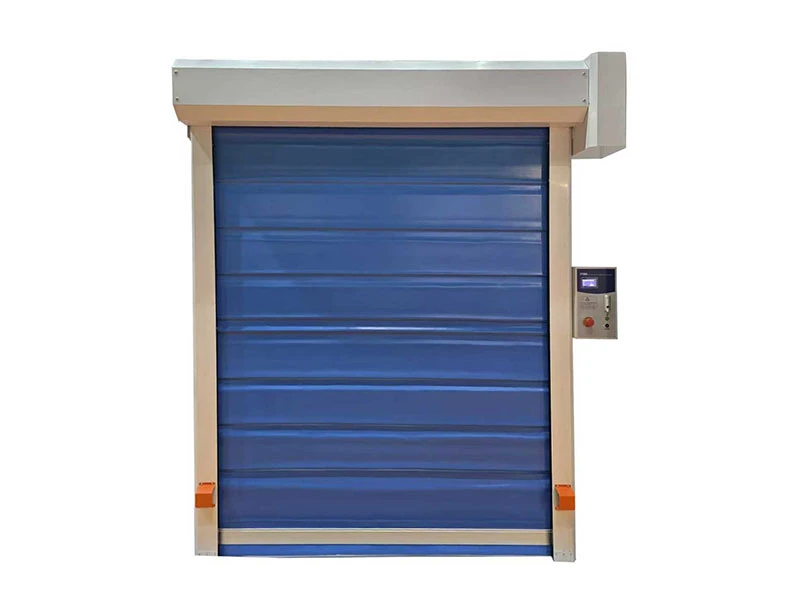
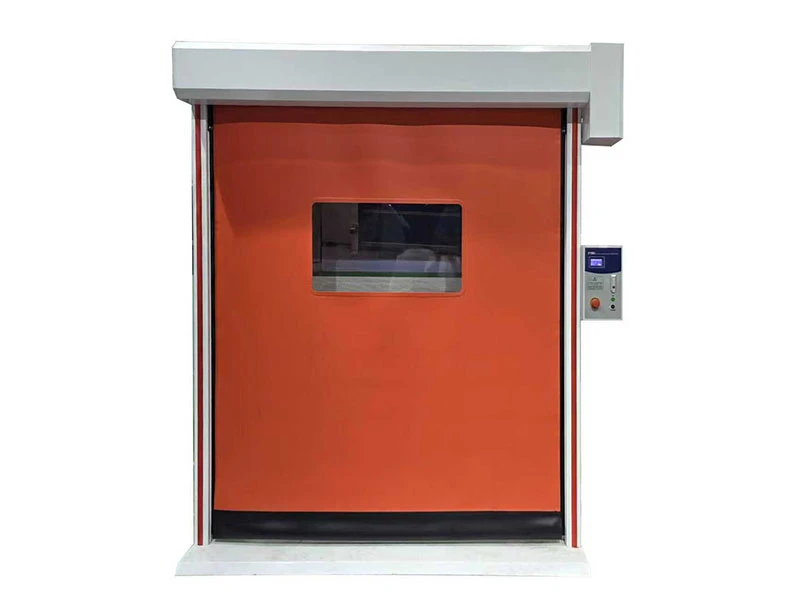
Experience Ultimate Seal: The DEXIN Airtight Door Collection
Engineered for perfection. Our airtight doors deliver unmatched energy efficiency, noise reduction, and environmental control for any application.
Airtight Door
Explore Our Professional Airtight Door Series
Browse our comprehensive range of airtight doors, designed to meet the stringent demands of residential, commercial, and industrial environments. Find your perfect fit.
Inside the Seal: DEXIN's Engineering Excellence
Superior performance starts with meticulous design. Discover the advanced technologies that make our doors truly airtight.
Engineering Excellence

Every DEXIN Airtight Door is a system, not just a door.

We integrate multiple advanced sealing technologies into a robust framework to ensure long-lasting, reliable performance under demanding conditions.


01
Multi-Stage Sealing System
We employ a combination of primary, secondary, and sometimes tertiary seals. This often includes a flexible compression gasket for the initial seal, a magnetic strip for enhanced closure force, and a brush or blade seal to block fine particles.
02
Automatic Threshold Seal (Bottom Seal)
The most critical leak point is the door bottom. Our systems feature automatic rising seals that engage when the door closes, creating a perfect barrier against drafts, insects, and water. Manual bolt-down seals are available for specific applications.
03
Rigid, Warp-Free Frame Construction
No seal can compensate for a misaligned frame. Our frames are constructed from heavy-gauge steel or reinforced aluminum profiles, engineered to resist bending and torsion, maintaining perfect alignment for the lifetime of the installation.
04
High-Performance Insulation Core
For thermal doors, we use closed-cell polyurethane (PUR) or polyisocyanurate (PIR) foam with a high R-value per inch. This minimizes heat transfer and prevents condensation inside the door panel.
05
Precision Hardware & Hinges
Heavy-duty, adjustable continuous hinges or multi-point locking systems ensure the door leaf closes squarely and with even pressure against the entire seal perimeter, eliminating weak spots.
06
Material Science
Gaskets are made from EPDM, silicone, or neoprene, selected for their durability, temperature resistance, and flexibility. Metal surfaces are treated with corrosion-resistant primers and powder coatings suitable for their environment (e.g., epoxy for industrial, polyester for commercial).
07
Testing & Certification
Our designs are validated against international standards for air leakage (e.g., ASTM E283), water penetration, and structural performance. Relevant models carry certifications for fire ratings, hygienic use, or cleanroom compliance.
08
Custom Engineering
For non-standard sizes, extreme environments, or unique access requirements, our engineering team can design custom sealing solutions, including special gasket profiles, modified frame reinforcements, and integrated panel systems.
Tailored Solutions for Diverse Environments
See how DEXIN airtight doors addresses real-world challenges across various industries in different environments.
Industrial Manufacturing
Contain dust, fumes, and noise within specific workshop areas to protect worker health and meet OSHA requirements. Create separated climate zones for processes requiring controlled humidity or temperature. Shield sensitive machinery from airborne contaminants.
Logistics & Cold Chain
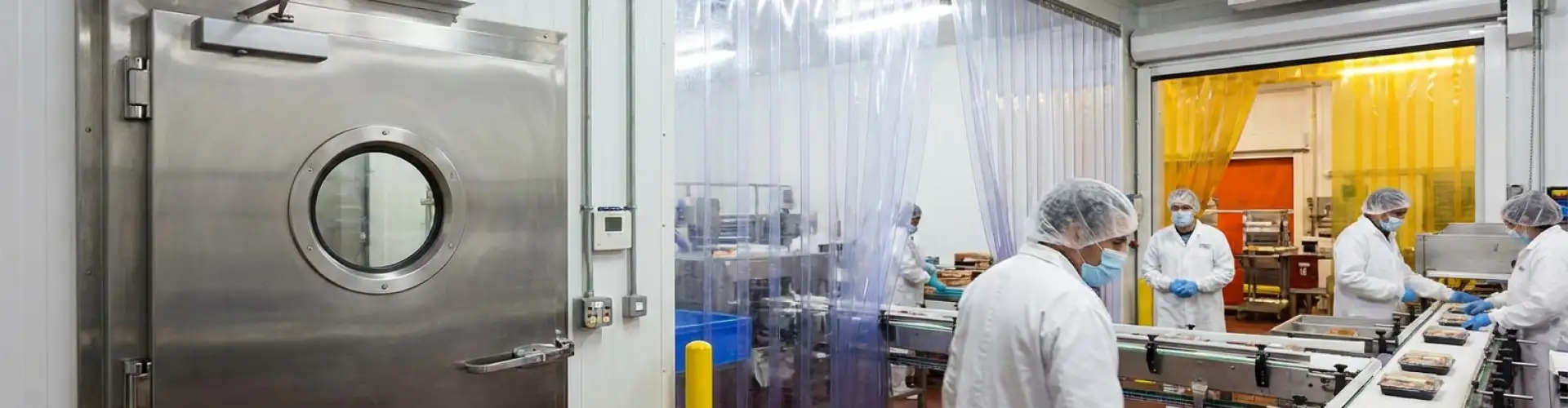
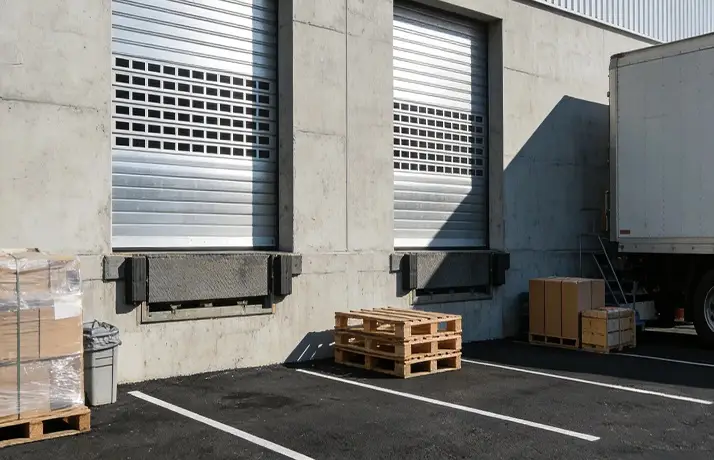
Minimize costly energy loss in refrigerated warehouses and loading docks. Our high-speed doors with excellent seals allow for rapid traffic flow while maintaining internal temperatures, ensuring product integrity from farm to table.
Healthcare & Hospitals
Isolate MRI suites to contain magnetic fields and radiofrequency interference. Provide acoustic privacy in patient rooms and counseling areas. Create sealed environments for infection control in isolation rooms or surgical suites.
Your Guide to Selecting the Perfect Airtight Door
Choosing the right door involves several key factors. Follow this guide to make an informed decision for your project's success.
Selecting an airtight door is an investment in your property's functionality, efficiency, and comfort. A mismatched door can lead to poor performance and higher operating costs. This step-by-step guide will help you identify the critical specifications to discuss with our specialists.
Define the Primary Purpose
Is your main goal thermal insulation (for cold rooms), acoustic isolation (for studios), particulate containment (for cleanrooms), or general environmental separation (dust, odor, humidity)? This dictates the core design and seal type.
Step 01
Assess the Environment
Consider temperature extremes, exposure to moisture, chemicals, or frequent washdowns. This determines the required material (galvanized steel, stainless steel, aluminum) and gasket compound (silicone for high heat/food, EPDM for general use).
Step 02
Determine Performance Standards
Identify if you need to meet specific codes or certifications: Fire rating (e.g., 60/90 minute), hygiene standards (FDA, USDA), cleanroom class (ISO 14644), or acoustic rating (STC).
Step 03
Accurate Measurement is Crucial
Measure the rough opening width, height, and wall thickness. Note the swing direction (handing) and any obstructions. We provide detailed measurement templates to ensure a perfect fit.
Step 04
Choose the Operation Style
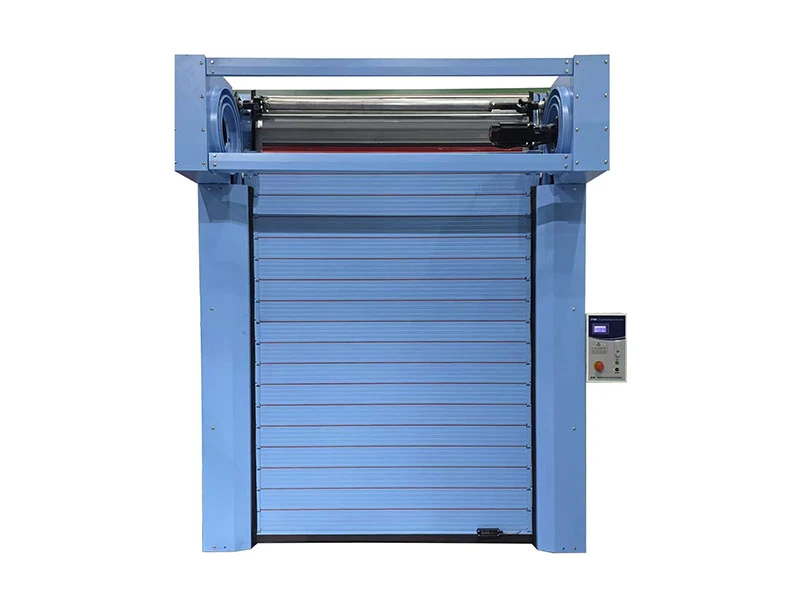
Manual swing doors are common. Consider powered options for high-traffic areas or heavy doors. Sliding doors save space where swing clearance is limited. High-speed roller doors are ideal for logistics openings.
Step 05
Consider Accessories & Integration
Do you need vision panels, pass-through windows, panic hardware, electric strikes, or integration with building management systems? Plan for these upfront.
Step 06
Evaluate Total Cost of Ownership
Look beyond the initial purchase price. A higher-quality, better-sealing door will pay for itself through energy savings, reduced maintenance, and longer service life. Review warranty terms carefully.
Step 07
Consult with DEXIN Experts
Send us your requirements and measurements. Our application engineers will recommend the optimal model, provide detailed drawings for approval, and guide you through the entire process from specification to installation.
Step 08
Professional Installation & Lifelong Performance Support
A perfect seal requires perfect installation. Our comprehensive support ensures your DEXIN door performs flawlessly for years to come.
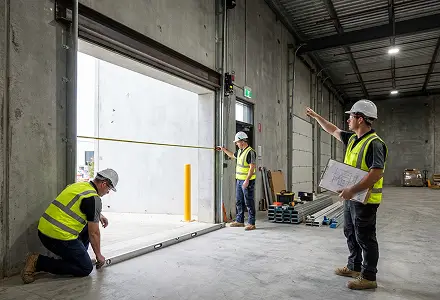
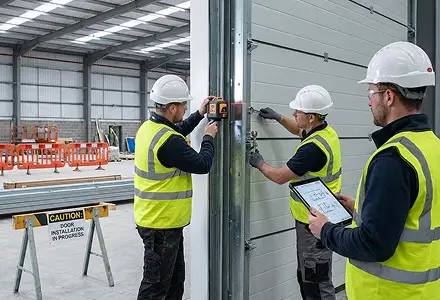
Pre-Installation Site Check
Our guidelines ensure the rough opening is plumb, level, and square, with adequate structural support to bear the door's weight without future settling.
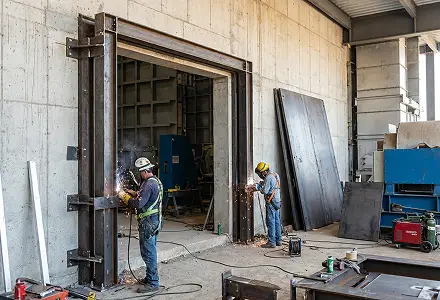
Precision Frame Setting
The frame must be securely anchored and sealed to the surrounding structure using appropriate fasteners and non-hardening sealants to prevent air leaks around the perimeter.
Door Leaf Mounting & Alignment
Hinges or tracks are meticulously adjusted to ensure the door leaf hangs perfectly square. This allows the full perimeter of the door to contact the seals simultaneously and with even pressure when closed.
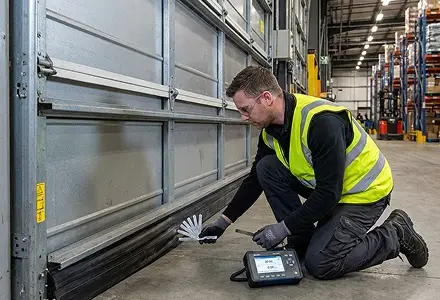
Seal Engagement Verification
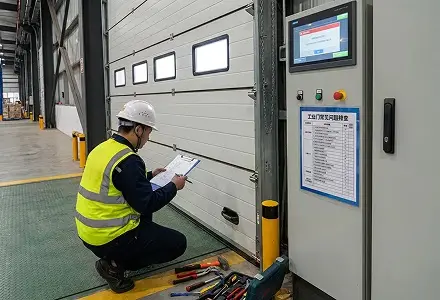
After installation, technicians verify the compression of all gaskets and the proper operation of the automatic bottom seal (if equipped) using feeler gauges and visual inspection methods.
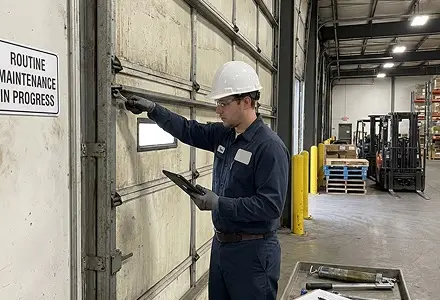
Routine Maintenance Checklist
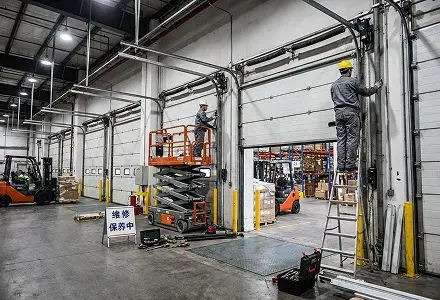
We recommend a simple quarterly check: Inspect all seals for cuts, deformation, or wear. Clean gaskets with mild soap and water. Lubricate moving parts (hinges, locks) with appropriate, non-oily lubricants. Check that the door closes fully and the latch engages smoothly.
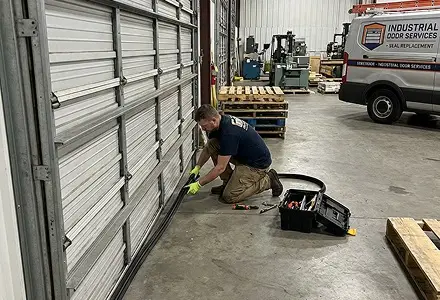
Seal Replacement Service
Seals are wear items. We stock replacement gasket kits for all our models. Our guides or technicians can assist with the straightforward replacement process, typically requiring only basic tools.
Troubleshooting Common Issues
Our online resource center addresses common questions like adjusting a door that sticks, fixing a draft, or recalibrating an automatic seal. Easy-to-follow videos and diagrams are provided.
Warranty & Technical Support
Every DEXIN door is backed by a strong warranty covering materials and workmanship. Our customer support team and technical engineers are available to assist with any performance questions or issues that may arise during the warranty period and beyond.
Contact Us
Please provide us with your needs or valuable suggestions!
Submit
FAQ of Airtight Door
Frequently Asked Questions about Airtight Door
What Is an Airtight Door?

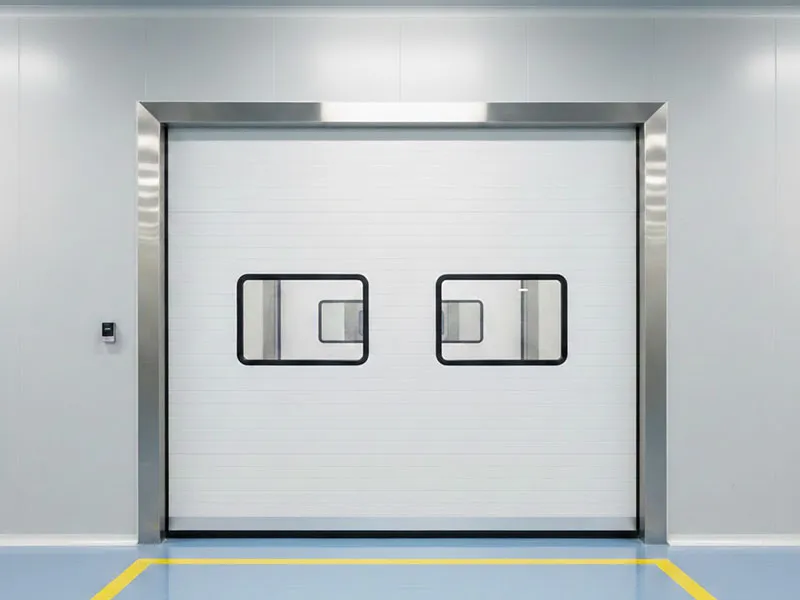
An airtight door is a specially engineered door system designed to prevent uncontrolled air leakage between two spaces. Unlike standard industrial doors, it uses compression sealing structures, airtight gaskets, and precise closing mechanisms to create a tight perimeter seal once fully closed. These doors are commonly used in cleanrooms, laboratories, hospitals, pharmaceutical production areas, and other controlled environments.

Where Are Airtight Doors Commonly Installed?

Airtight doors are frequently installed in: Hospital operating rooms Isolation wards Pharmaceutical cleanrooms Biotechnology laboratories Electronics manufacturing clean zones Food processing facilities requiring hygiene control They are essential wherever air pressure differentials and contamination control are strictly regulated.

Are Airtight Doors Suitable for Cleanrooms?

Yes. In fact, airtight doors are widely used in cleanroom environments where maintaining positive or negative pressure is critical. They help: Prevent external contaminants from entering Reduce internal particle escape Maintain pressure gradients between zones Support compliance with GMP and ISO cleanroom standards The sealing performance directly contributes to environmental stability.

Are Airtight Doors Automatic or Manual?

Both options are available. However, automatic sliding airtight doors are widely preferred in hospitals and clean environments because they: Reduce hand contact Improve operational efficiency Support touchless access systems Enhance contamination control Manual hinged airtight doors are often used in smaller facilities or secondary access areas.

How Often Should Airtight Doors Be Maintained?

Because sealing integrity is critical, routine inspection is recommended every 3–6 months. Maintenance should include: Checking gasket condition Inspecting track and sliding mechanism Verifying pressure seal performance Testing automatic control systems Damaged seals should be replaced promptly to maintain compliance.

How Does an Airtight Door Achieve Sealing Performance?

Airtight doors typically rely on mechanical compression rather than simple contact closure. When the door closes, the sealing gasket expands or compresses against the frame, eliminating gaps around the perimeter. Advanced models may include: Inflatable sealing strips Multi-point locking systems Drop-down bottom seals Automatic pressure compensation design The goal is to maintain stable air pressure and prevent cross-contamination.

What Is the Difference Between an Airtight Door and a Normal Industrial Door?

The primary difference lies in sealing precision and environmental control. A standard industrial door focuses on durability and access efficiency. An airtight door, by contrast, is engineered for: Minimal air leakage Pressure stability Bacterial and particle control Smooth, gap-free surfaces for easy cleaning It is not simply a stronger door—it is a controlled-environment solution.

What Materials Are Airtight Doors Made Of?

Materials vary depending on application, but common options include: Stainless steel (for hygiene and corrosion resistance) Powder-coated steel Aluminum alloy frames HPL (High-Pressure Laminate) panels Antibacterial surface coatings Material selection depends on cleaning protocols, humidity levels, and chemical exposure.

How Is Airtight Performance Measured?

Airtight performance is typically evaluated through air leakage testing under pressure differentials. The door must maintain minimal air leakage when subjected to specified pressure conditions. Performance standards may vary depending on industry regulations and project specifications.

Can Airtight Doors Be Customized?

Yes. Airtight doors can be customized according to: Opening dimensions Required pressure resistance Surface finish Vision panels with sealed glass Access control integration Radiation shielding (for medical imaging rooms) Customization ensures the door meets project-specific regulatory and operational demands.


Related News
View the latest news related to Industrial Doors