Welcome to DEXIN Industrial Door Co., Ltd


-
Product
Welcome to DEXIN Industrial Door Co., Ltd

In 2026, industrial facilities are under increasing pressure to improve efficiency, reduce energy consumption, and maintain higher safety standards. As a result, the demand for high-performance fast door systems continues to grow across logistics centers, cold storage facilities, pharmaceutical plants, and manufacturing workshops.
However, one of the most common questions buyers still ask is simple: What determines the price of a fast door?
The answer is not straightforward, because the cost of a fast door is influenced by a combination of structural design, material selection, automation level, installation conditions, and long-term operational requirements. Understanding these variables will help you make a rational investment decision rather than focusing solely on the initial quotation.
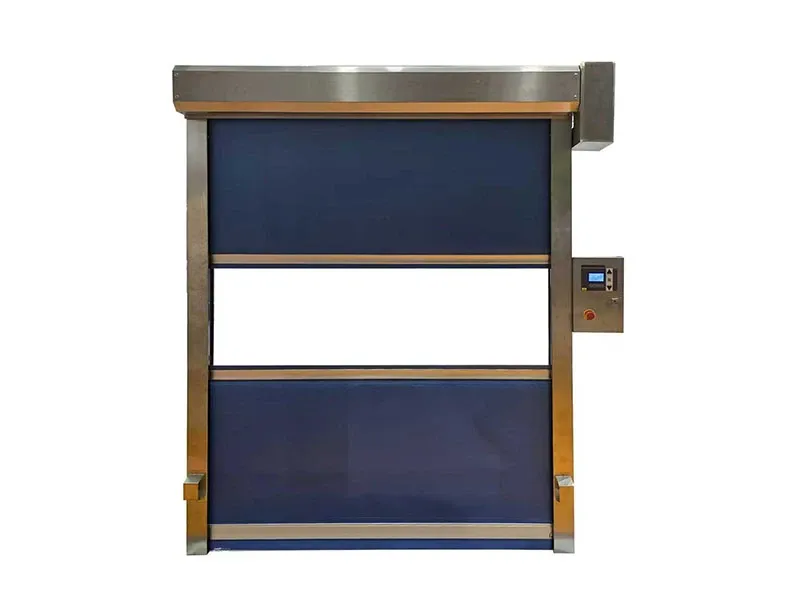
The first and most significant pricing factor is the type of fast door selected. Different operational environments require different structural solutions, and the complexity of the structure directly affects manufacturing cost.
Common fast door types include:
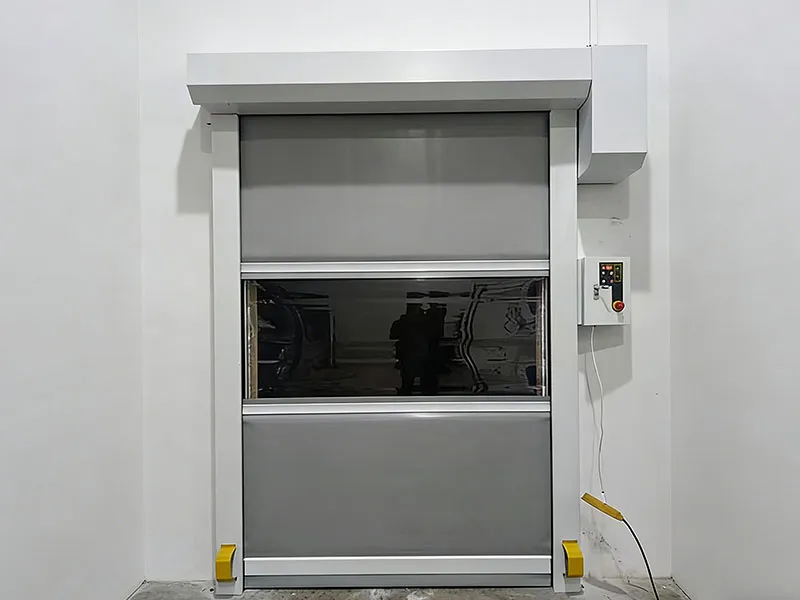
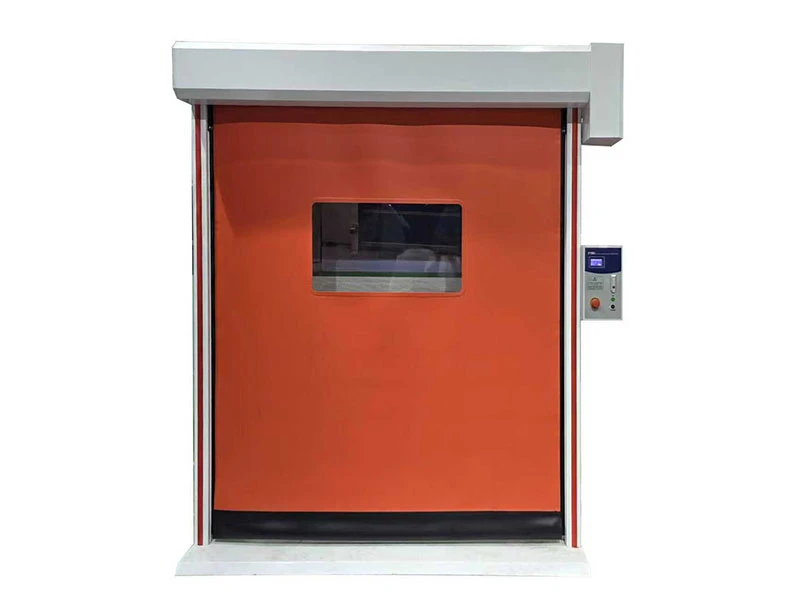
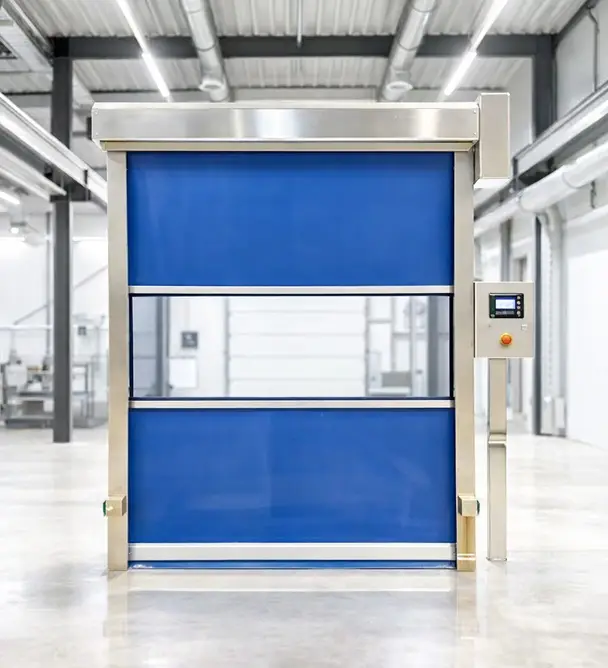
PVC roll-up fast doors
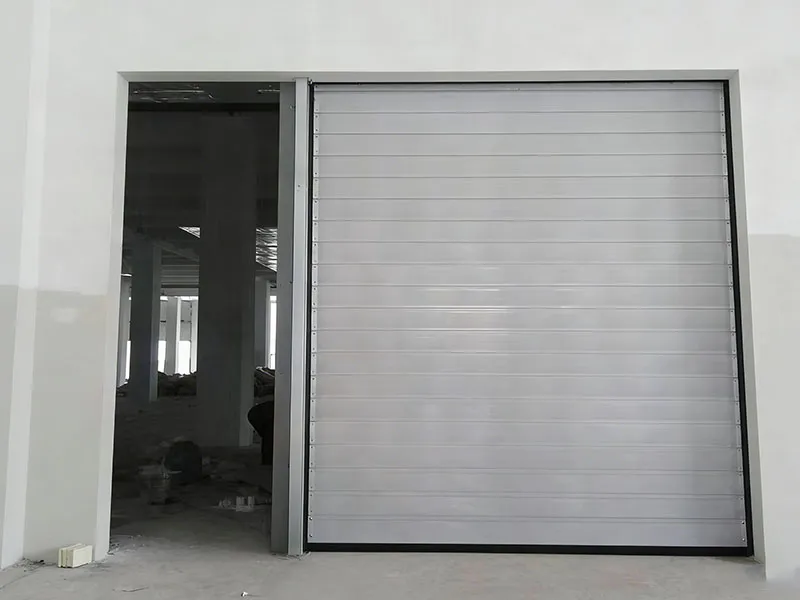
Spiral rigid high-speed doors
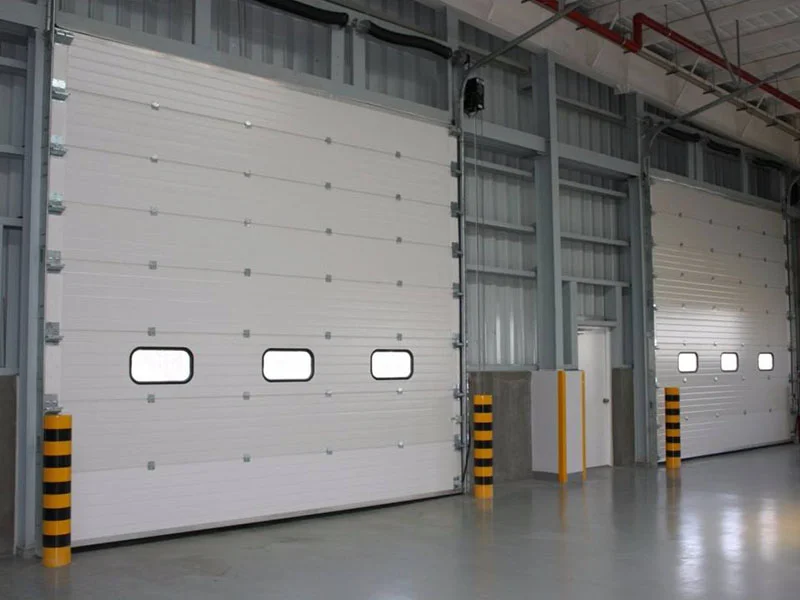
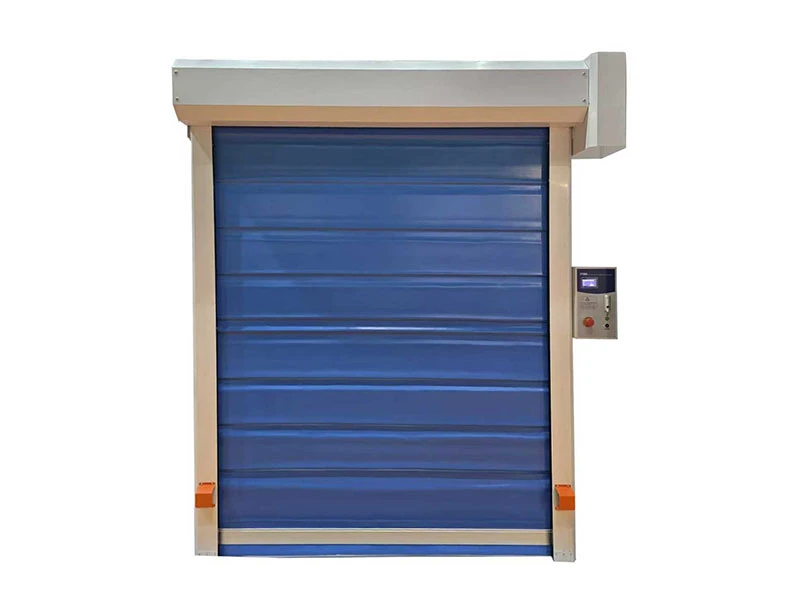
Cold storage insulated fast doors
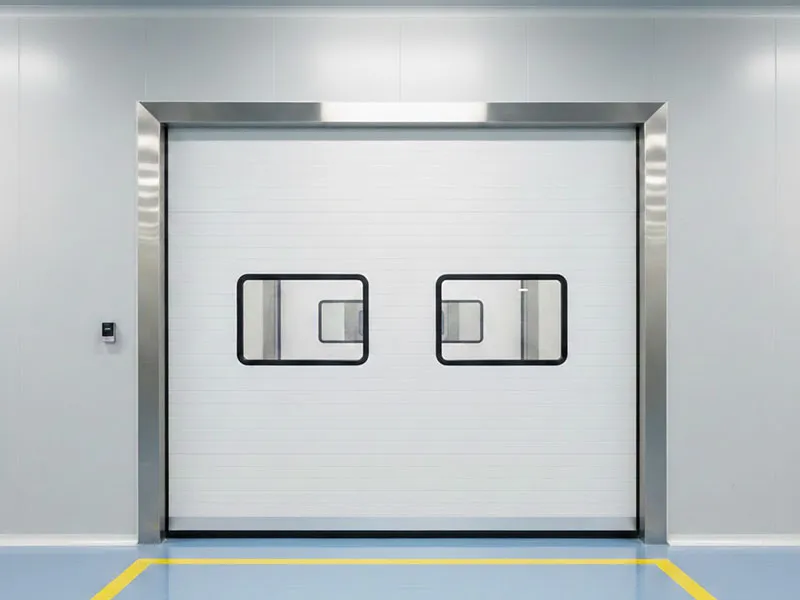
Cleanroom fast doors
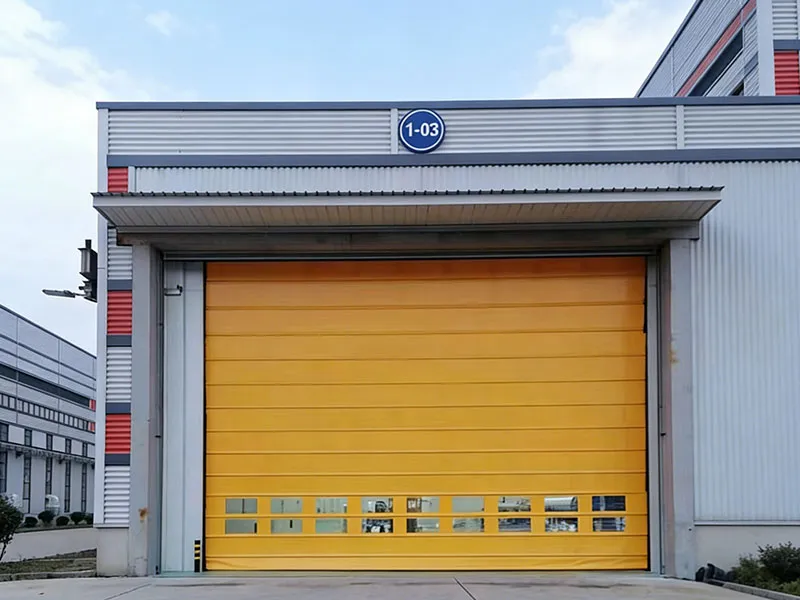
Heavy-duty wind-resistant fast doors
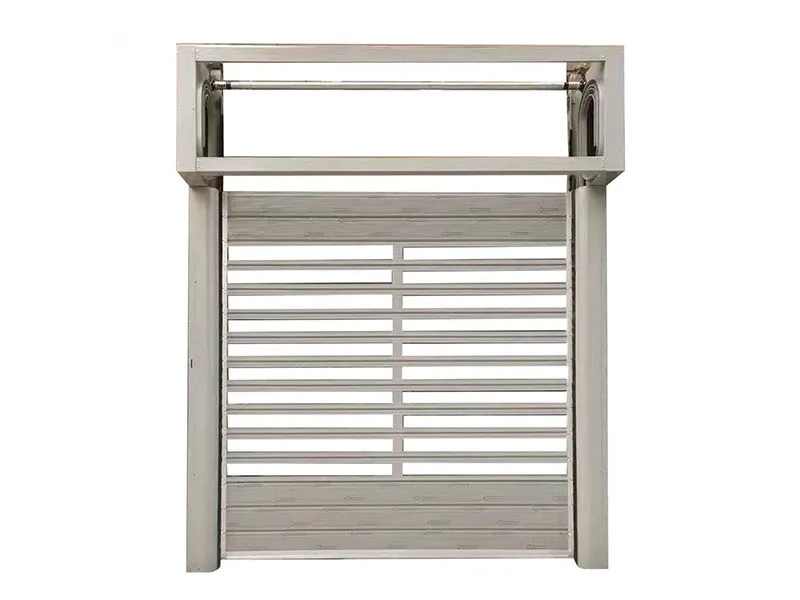
A standard PVC roll-up model is generally more economical due to its flexible curtain structure and relatively simple drive system. In contrast, a spiral rigid fast door, which uses aluminum alloy slats and precision track systems, involves higher material costs and more advanced engineering design, resulting in a higher price range.
Cold storage doors add insulated panels and anti-frost heating systems, while cleanroom doors require enhanced sealing performance and anti-static materials. Each functional upgrade increases overall cost, but also improves performance in specific environments.
Size plays a direct role in cost calculation. Larger openings require:
Stronger motors
Thicker curtain materials
Reinforced guide rails
More robust support frames
When a project requires non-standard dimensions, special colors, custom logos, vision windows, or integration with existing building structures, additional engineering time and material waste must be considered. Customization inevitably increases the final quotation, especially in large-scale industrial projects.
For buyers managing logistics hubs or distribution centers, selecting standardized sizes whenever possible can effectively control procurement budgets.
The motor is the core component of any fast door system. High-speed operation requires stable torque output, frequent cycling capability, and long service life. European or high-end servo motor systems generally cost more than conventional motors, but they provide smoother operation and lower maintenance frequency over time.
Control systems are another key cost driver. Modern fast doors in 2026 increasingly integrate with:
PLC intelligent controllers
Frequency converters
Radar sensors
Remote monitoring systems
Warehouse management systems
Advanced automation improves efficiency and safety but adds to the initial investment. Facilities aiming for Industry 4.0 compatibility typically choose higher-level control systems, which may increase pricing by 15–30% compared to basic models.
Material selection significantly impacts both upfront price and long-term return on investment.
High-quality PVC curtains with anti-UV, fire-retardant, and anti-tear properties cost more than standard industrial fabric. Similarly, aluminum alloy frames with corrosion-resistant coatings perform better in coastal or humid environments but increase production expenses.
For facilities exposed to strong winds, dust, or heavy traffic, reinforced steel frames and thicker curtain materials are necessary to ensure operational stability. While these upgrades raise the purchase cost, they substantially reduce downtime and repair frequency.
When evaluating suppliers, buyers should compare not only thickness or weight but also material certifications and lifespan data.
Safety systems are no longer optional. In 2026, most industrial fast doors are equipped with:
Infrared safety light curtains
Bottom safety edges
Emergency stop systems
Anti-drop protection mechanisms
Doors exported to European markets often require CE certification, while projects in North America may follow UL standards. Compliance with international safety regulations adds testing and certification expenses, which are reflected in the final price.
Investing in certified systems not only ensures regulatory compliance but also reduces liability risks for facility operators.
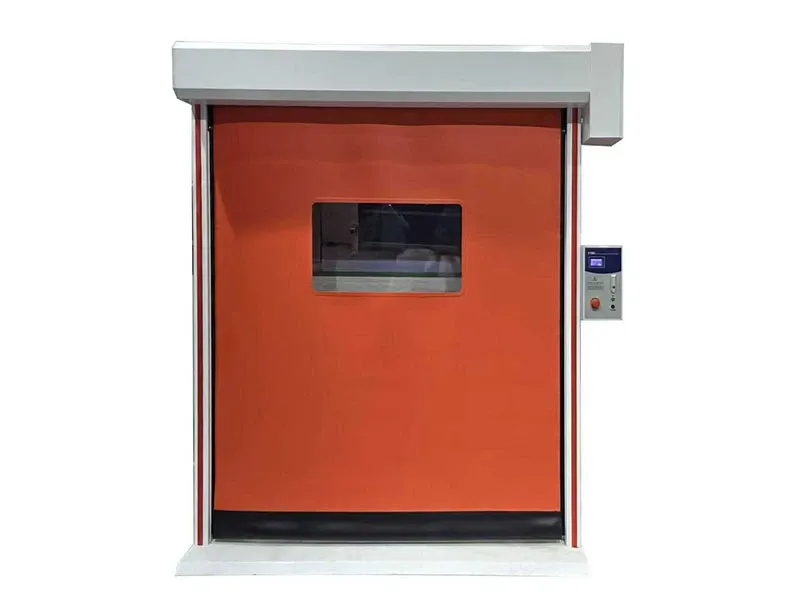
The cost of a fast door is not limited to the factory price. Installation conditions can significantly influence the total project budget.
Factors that increase installation cost include:
High mounting positions
Reinforced steel structure modifications
Electrical wiring adjustments
Integration with existing automation systems
Remote or overseas project locations
If structural reinforcement or additional support beams are required, construction expenses will increase accordingly. Early technical assessment and site measurement can prevent unexpected budget overruns.
Global freight rates, container availability, and import tariffs continue to fluctuate in 2026. For overseas buyers, shipping cost may represent a notable percentage of the overall procurement budget, especially for large spiral rigid doors that require more container space.
Choosing an experienced exporter with optimized packaging solutions can reduce shipping volume and minimize transport damage risk, ultimately lowering hidden costs.
Brand reputation also influences pricing. Established manufacturers with advanced production lines, automated welding equipment, and strict quality control systems often provide higher-priced products, but they also offer better durability and after-sales service.
Production capacity
Lead time
Warranty period
Spare parts availability
Technical support response time
Lower initial price does not always translate into lower total cost of ownership.
Although prices vary depending on region and configuration, general market estimates in 2026 are as follows:
Standard PVC fast door: USD 800 – 2,500
Insulated cold storage fast door: USD 2,000 – 5,000
Spiral rigid high-speed door: USD 3,500 – 8,000+
Fully customized industrial fast door systems: project-based quotation
These figures serve only as references. Final pricing should be based on technical specifications and site requirements.
To achieve the best balance between cost and performance, consider the following strategies:
Clearly define operational requirements before requesting a quotation.
Avoid over-specification that exceeds practical needs.
Compare long-term maintenance costs rather than focusing solely on purchase price.
Work with a manufacturer capable of providing technical drawings and performance simulations.
Request lifecycle cost analysis when evaluating large-scale projects.
A fast door should be seen as a productivity investment rather than a simple building accessory.
The price of a fast door in 2026 is influenced by multiple interconnected factors, including design complexity, materials, automation level, safety compliance, installation environment, and supplier capability. A transparent cost breakdown allows buyers to make informed decisions and avoid hidden expenses.
If you are planning to upgrade your warehouse, factory, or cold storage facility, working with an experienced fast door manufacturer can help you design a tailored solution that balances performance, safety, and long-term cost efficiency.
For detailed technical consultation or a customized quotation, feel free to contact our engineering team. We will help you determine the most suitable fast door configuration for your project and provide a competitive solution aligned with your operational goals.