Добро пожаловать в DEXIN Промышленная дверная компания, Ltd.


-
Продукт
Добро пожаловать в DEXIN Промышленная дверная компания, Ltd.
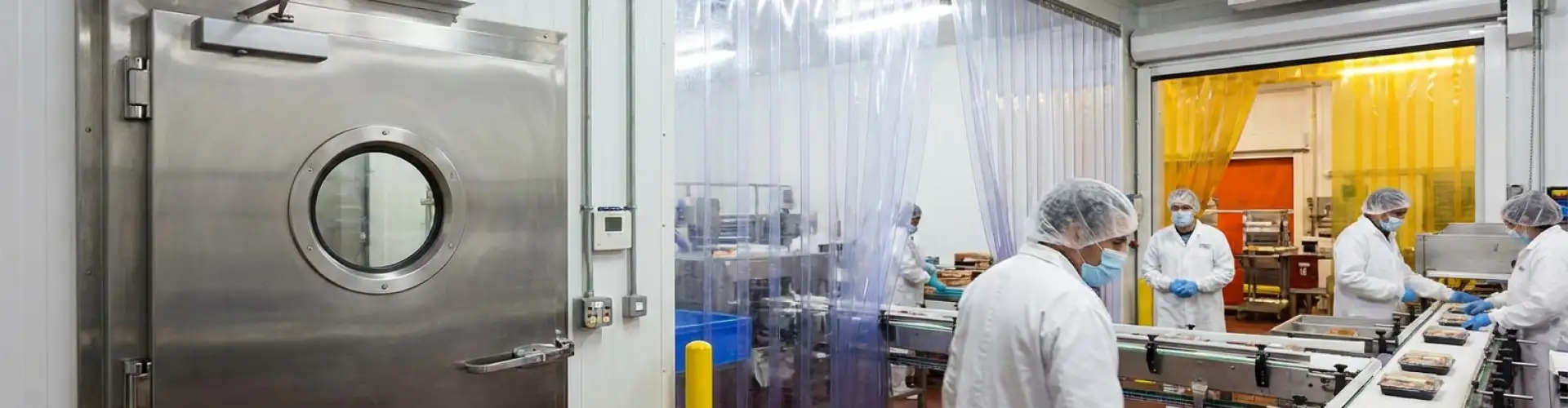
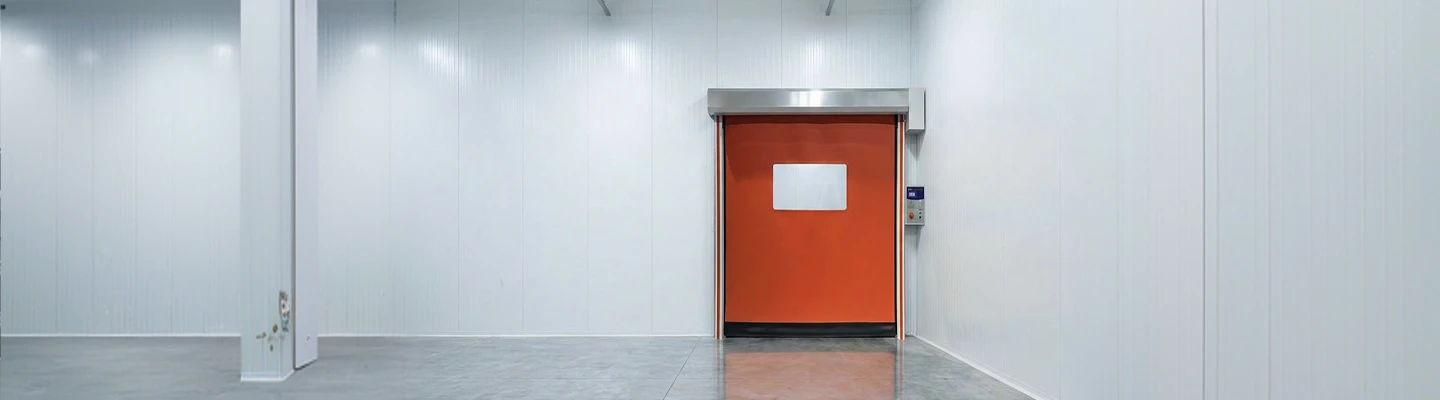
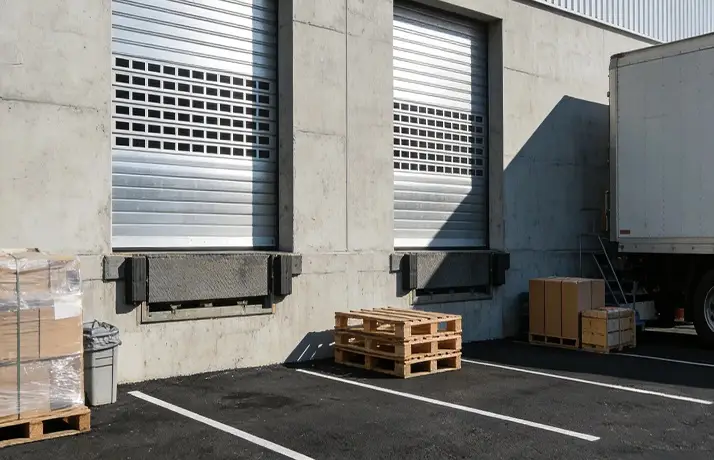
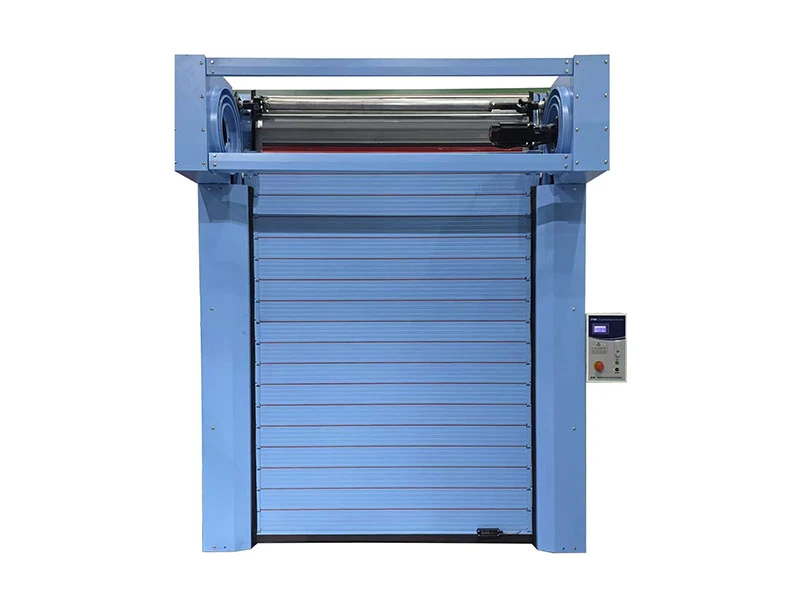
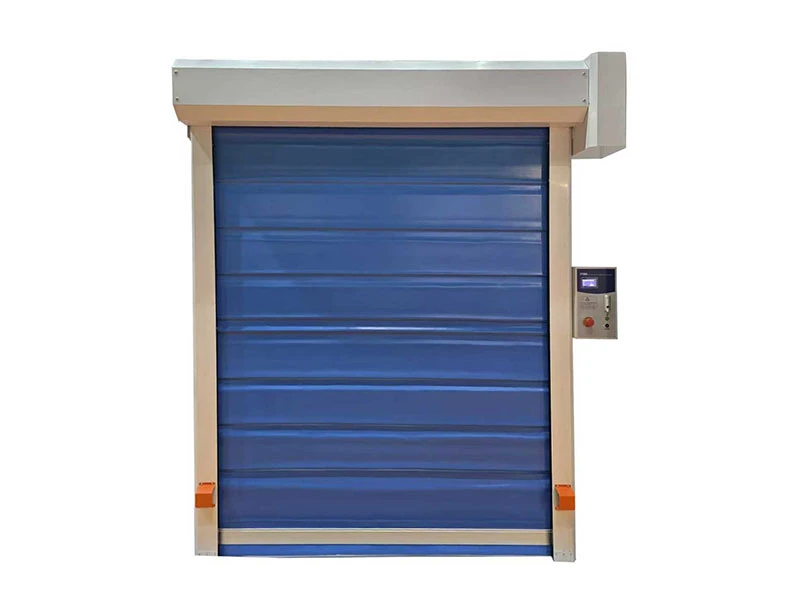
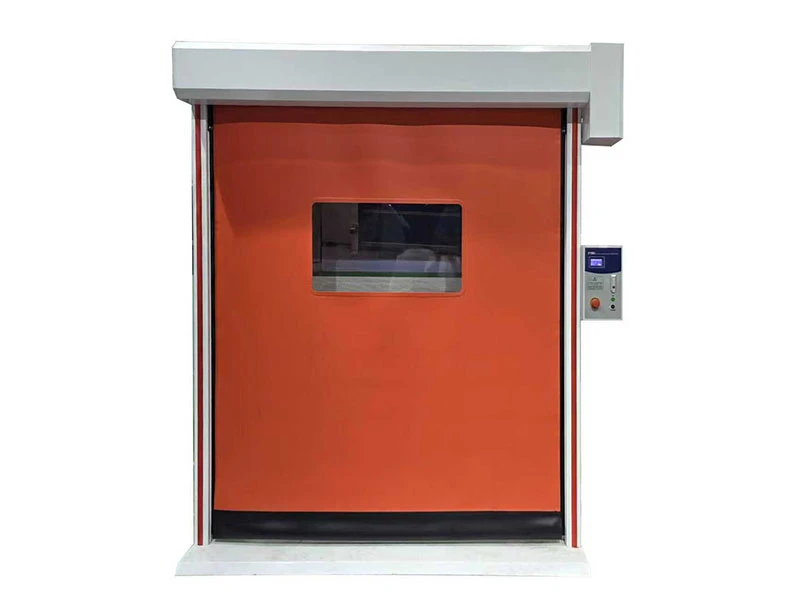
Каждая воздухонепроницаемая дверь DEXIN - это система, а не просто дверь.
Мы интегрируем множество передовых технологий уплотнения в надежную структуру, чтобы обеспечить долговременную и надежную работу в сложных условиях.
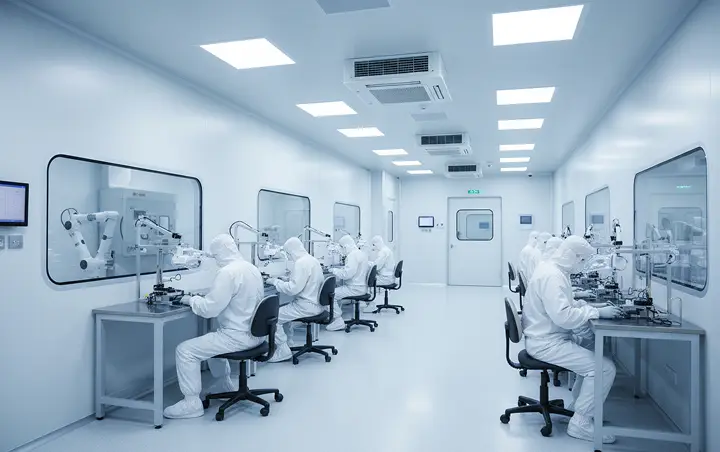
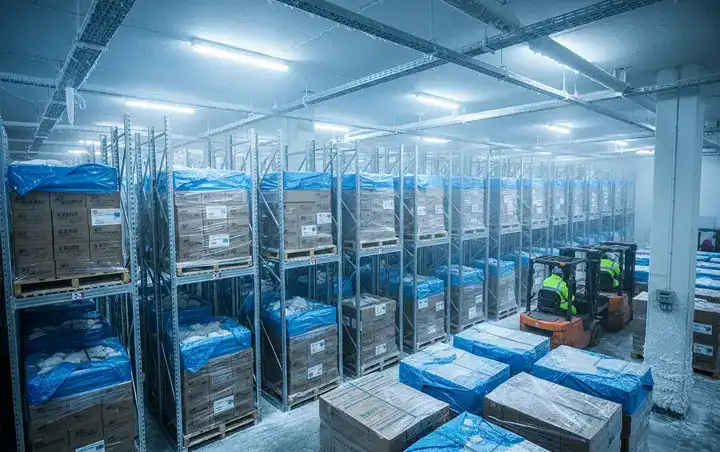
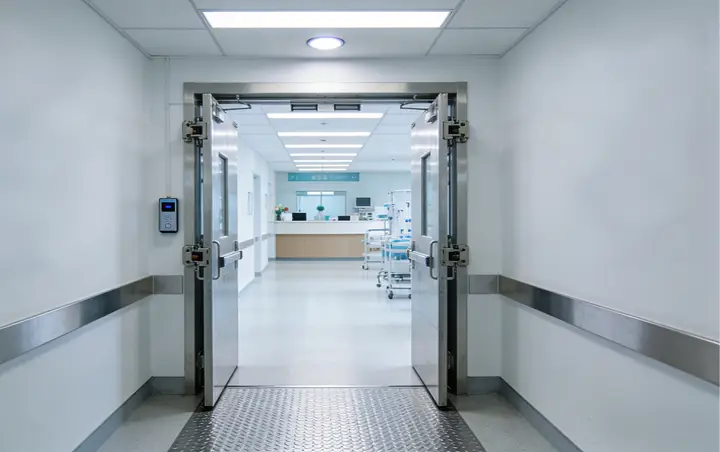
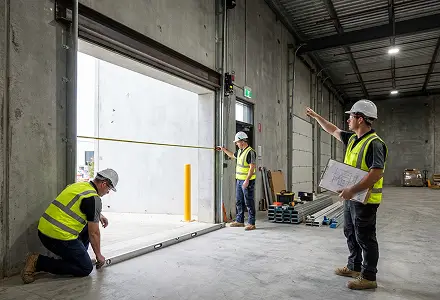
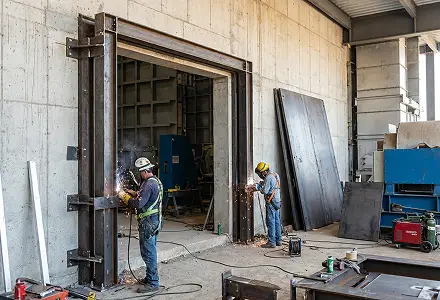
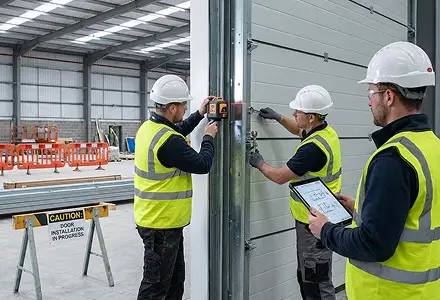
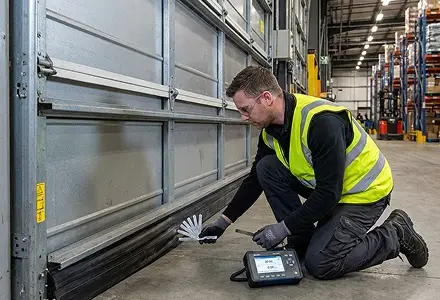
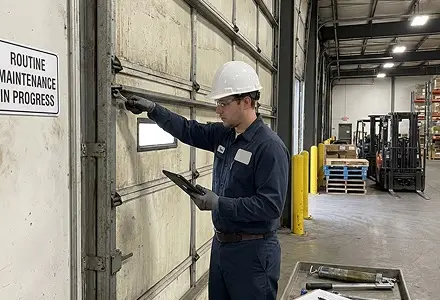
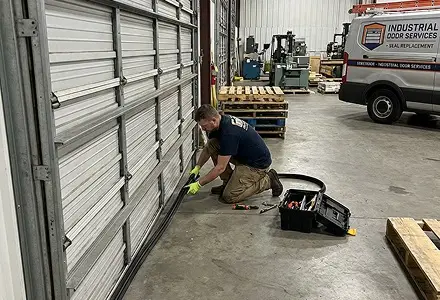
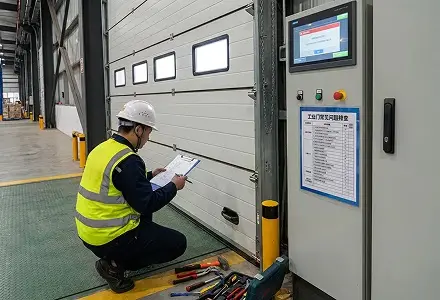
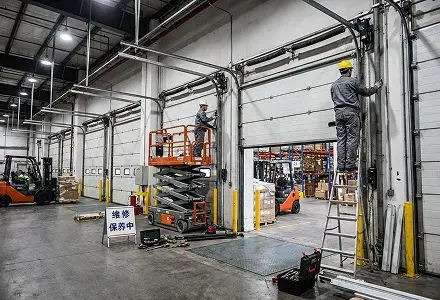
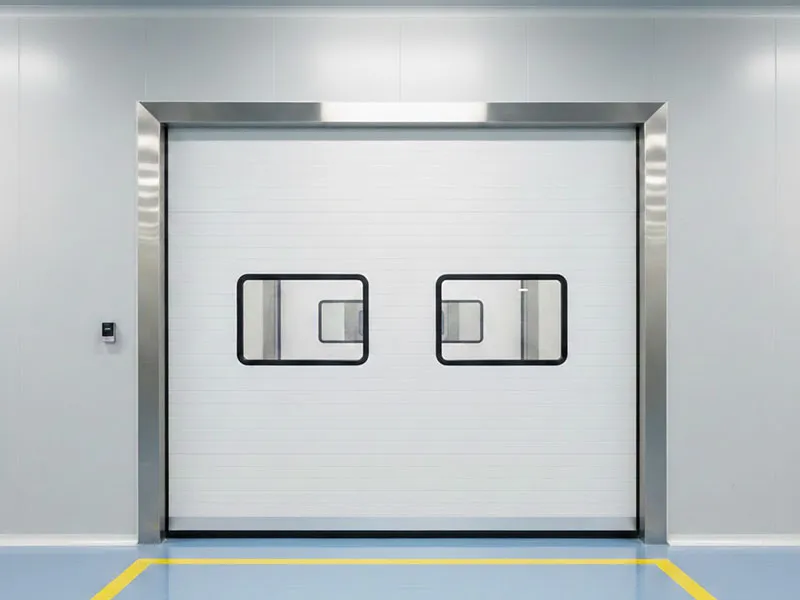
Герметичная дверь — это специально разработанная дверная система, предназначенная для предотвращения неконтролируемой утечки воздуха между двумя помещениями. В отличие от стандартных промышленных дверей, она использует компрессионные уплотнительные конструкции, герметичные прокладки и точные механизмы закрывания для создания плотного периметрального уплотнения после полного закрытия. Эти двери широко используются в чистых помещениях, лабораториях, больницах, фармацевтических производственных зонах и других контролируемых средах.
Герметичные двери часто устанавливаются в: Операционных залах больниц Изоляционных палатах Чистых помещениях фармацевтических предприятий Биотехнологических лабораториях Чистых зонах в производстве электроники Предприятиях пищевой промышленности, требующих контроля гигиены. Они необходимы везде, где строго регулируются перепады давления воздуха и контроль загрязнения.
Да. На самом деле, герметичные двери широко используются в чистых помещениях, где поддержание положительного или отрицательного давления имеет решающее значение. Они помогают: Предотвращать проникновение внешних загрязнений Уменьшать утечку частиц изнутри Поддерживать градиенты давления между зонами Соответствовать стандартам GMP и ISO для чистых помещений Герметичность напрямую способствует стабильности окружающей среды.
Оба варианта доступны. Однако автоматические раздвижные герметичные двери широко предпочтительны в больницах и чистых помещениях, поскольку они: Снижают контакт рук Повышают эффективность работы Поддерживают бесконтактные системы доступа Улучшают контроль за загрязнением В небольших помещениях или зонах с второстепенным доступом часто используются распашные герметичные двери с ручным управлением.
Поскольку герметичность имеет решающее значение, рекомендуется проводить плановый осмотр каждые 3–6 месяцев. Техническое обслуживание должно включать: Проверку состояния прокладок Осмотр направляющих и скользящего механизма Проверку работоспособности уплотнений под давлением Проверку автоматических систем управления Поврежденные уплотнения следует незамедлительно заменять для поддержания соответствия требованиям.
Герметичные двери обычно работают за счет механического сжатия, а не простого контактного замыкания. При закрытии двери уплотнительная прокладка расширяется или сжимается, прижимаясь к раме, устраняя зазоры по периметру. Усовершенствованные модели могут включать: Надувные уплотнительные ленты Многоточечные системы запирания Нижние уплотнители с откидной крышкой Автоматическая компенсация давления Цель состоит в поддержании стабильного давления воздуха и предотвращении перекрестного загрязнения.
Основное различие заключается в точности герметизации и контроле микроклимата. Стандартная промышленная дверь ориентирована на долговечность и эффективность доступа. Герметичная дверь, напротив, спроектирована для: Минимальной утечки воздуха Стабильности давления Контроля бактерий и частиц Гладкой поверхности без зазоров для легкой очистки. Это не просто более прочная дверь — это решение для создания контролируемой среды.
Материалы различаются в зависимости от области применения, но к распространенным вариантам относятся: Нержавеющая сталь (для гигиены и коррозионной стойкости) Сталь с порошковым покрытием Рамы из алюминиевого сплава Панели из HPL (ламината высокого давления) Антибактериальные поверхностные покрытия Выбор материала зависит от протоколов очистки, уровня влажности и воздействия химических веществ.
Герметичность обычно оценивается с помощью испытаний на утечку воздуха при перепадах давления. Дверь должна обеспечивать минимальную утечку воздуха при заданных условиях давления. Стандарты производительности могут различаться в зависимости от отраслевых норм и проектных спецификаций.
Да. Герметичные двери могут быть изготовлены на заказ в соответствии со следующими требованиями: Размеры проема Требуемая устойчивость к давлению Отделка поверхности Смотровые панели с герметичным стеклом Встраивание системы контроля доступа Защита от излучения (для кабинетов медицинской визуализации) Индивидуальная настройка гарантирует соответствие двери нормативным и эксплуатационным требованиям конкретного проекта.