Welcome to DEXIN Industrial Door Co., Ltd


-
Product
Welcome to DEXIN Industrial Door Co., Ltd
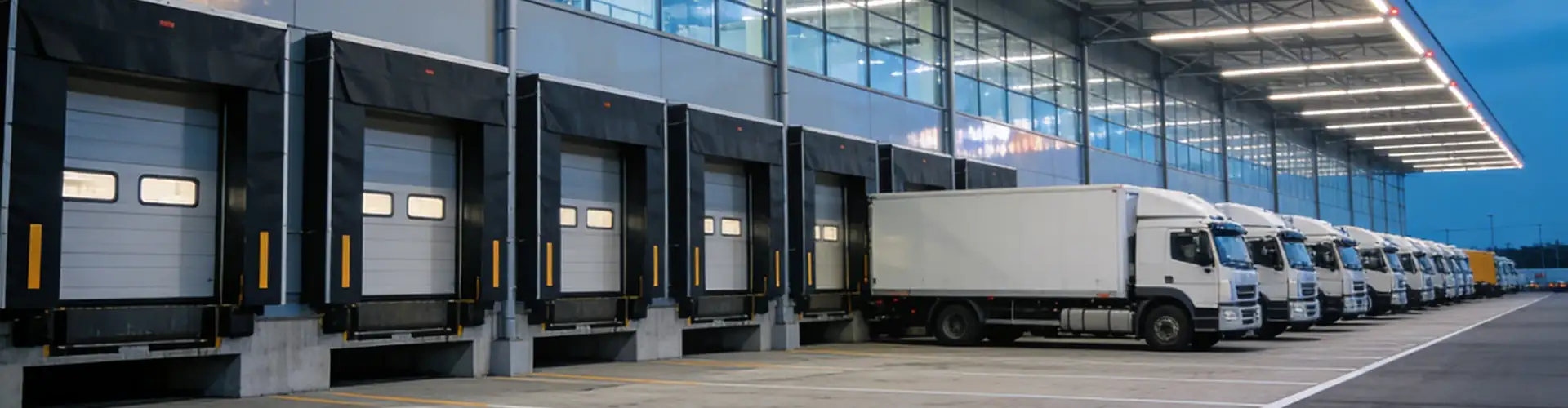
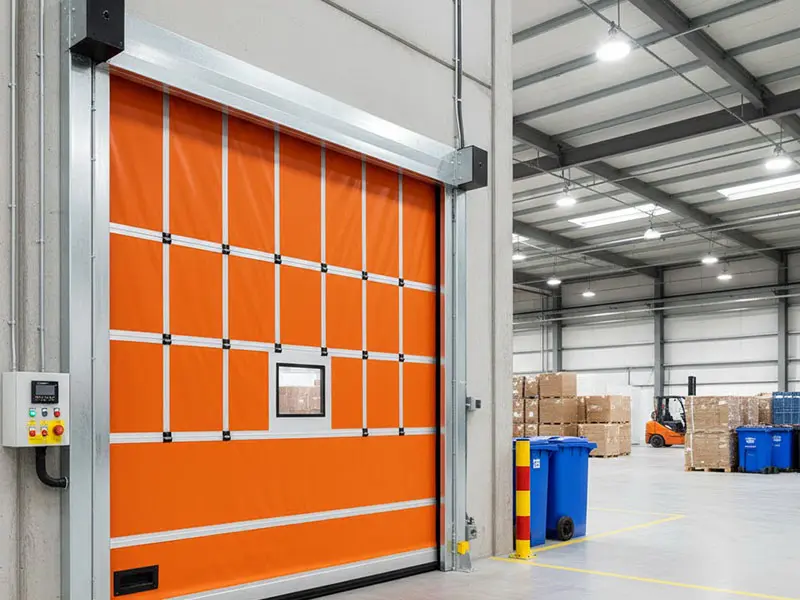
In the fast-evolving waste management and recycling industry, operational efficiency, safety, and regulatory compliance are critical. Facilities such as municipal waste transfer stations, material recovery facilities (MRFs), composting plants, scrap metal yards, and hazardous waste centers face continuous challenges from high traffic, harsh environmental conditions, odor control, and safety risks. While machinery and processing equipment are essential, industrial doors—often overlooked—play a pivotal role in maintaining workflow, protecting workers, and ensuring environmental compliance.
As a specialized industrial door manufacturer, we provide durable, reliable, and tailored solutions specifically engineered for the rigorous demands of the waste management and recycling sector. Our doors are designed not only to withstand harsh conditions but also to optimize facility efficiency and long-term operational sustainability.
Waste management and recycling operations are characterized by complexity and continuous activity. Understanding these operational challenges helps explain why standard industrial doors often fail to meet the sector’s demands.
1. High Traffic and Heavy Equipment Operation
Waste facilities experience continuous vehicle and equipment movement. Garbage trucks, forklifts, compactors, and sorting equipment frequently pass through facility entrances and internal partitions. Standard industrial doors are often unable to endure this high-frequency usage, leading to frequent downtime, costly repairs, and operational delays.
2. Exposure to Dust, Moisture, and Corrosive Substances
Recycling processes, composting operations, and hazardous waste handling generate dust, corrosive gases, and moisture. Doors exposed to these conditions without specialized construction can suffer corrosion, deformation, and mechanical failure. This not only increases maintenance costs but also affects safety and hygiene standards.
3. Odor Control and Environmental Compliance
Odor management is a critical requirement for waste facilities. Escaping odors and airborne contaminants can cause community complaints, regulatory fines, and negative environmental impact. Airtight, well-sealed doors are essential to contain odors, maintain hygiene, and support compliance with strict environmental regulations.
4. Safety Risks and Hazardous Material Handling
Waste management operations often involve heavy machinery, flammable dust, or hazardous chemicals. Industrial doors must ensure clear separation between operational zones, provide safe access for personnel, and prevent unauthorized entry to sensitive areas. Inadequate door solutions can compromise worker safety and increase liability risks.
Our industrial doors are engineered to address these sector-specific challenges while improving operational efficiency, safety, and sustainability. We provide multiple solutions tailored to the unique demands of waste management and recycling facilities.
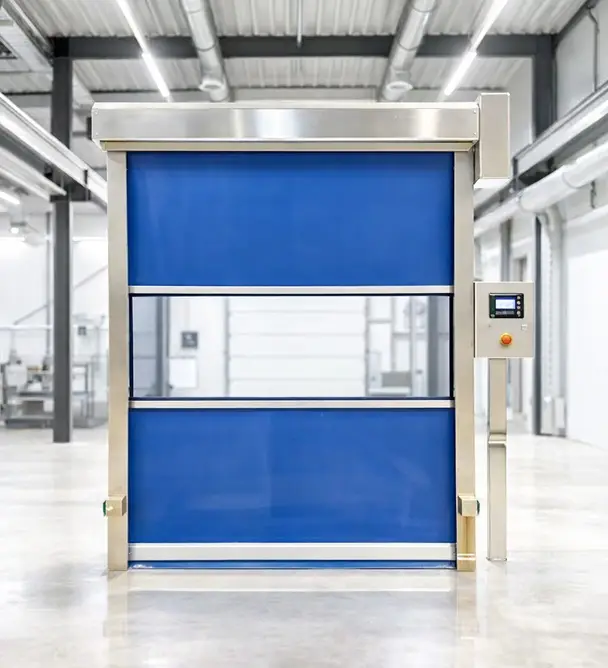
High-Speed Doors for Optimized Workflow
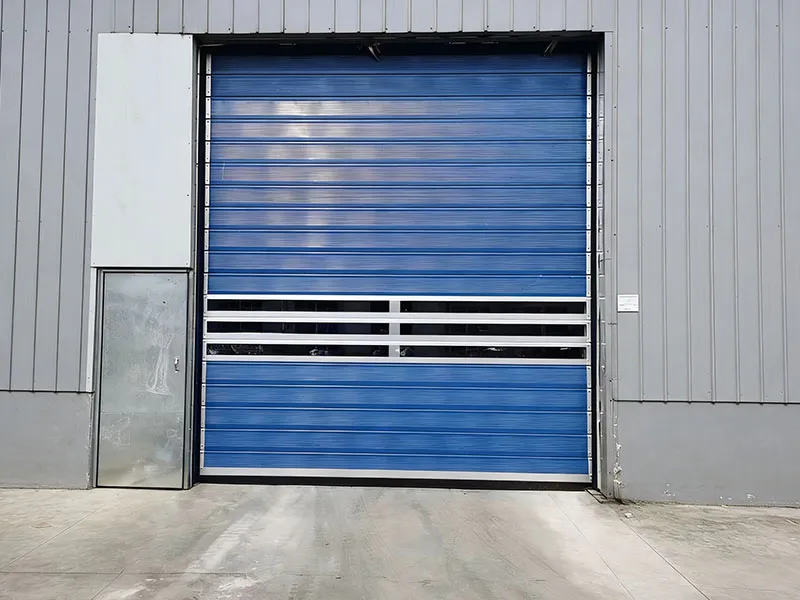
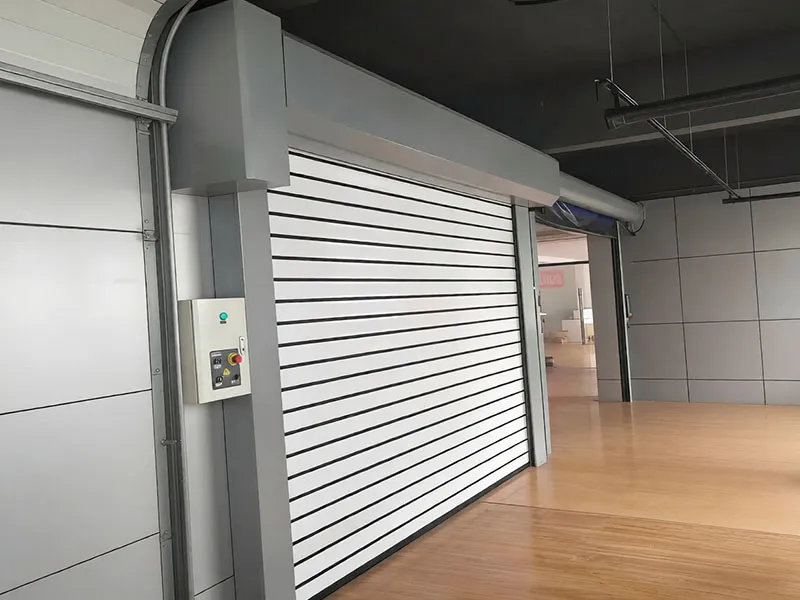
High-speed doors enhance traffic efficiency, reducing waiting times for vehicles and minimizing disruptions in sorting and processing areas.
Rapid Opening & Closing: High-speed doors support continuous vehicle flow, preventing bottlenecks during peak hours.
Impact-Resistant Design: Reinforced curtains and anti-collision recovery systems ensure durability even after accidental impacts from forklifts or trucks.
Operational Efficiency: By reducing downtime and maintaining controlled internal conditions, high-speed doors contribute to higher facility throughput.
For areas exposed to corrosive gases, moisture, or high dust levels, heavy-duty steel doors provide long-term reliability.
Corrosion-Resistant Materials: Special surface treatments and sealed frame designs protect doors from rust and degradation.
Enhanced Structural Stability: Reinforced tracks and motors maintain functionality even in humid, dusty, or chemically active environments.
Low Maintenance Requirements: Robust construction reduces maintenance frequency, saving both time and costs.
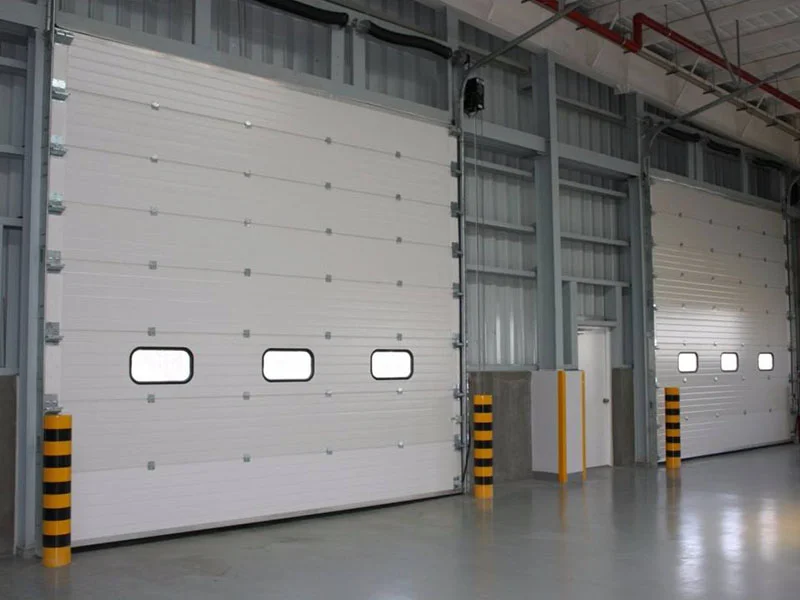
Odor containment and temperature management are essential in composting plants, MRFs, and temporary waste storage areas.
Tight Sealing Structures: Prevent leakage of odors and airborne contaminants, ensuring regulatory compliance and community safety.
Thermal Insulation: Helps maintain consistent internal temperatures, reducing energy consumption associated with ventilation and heating.
Environmental Sustainability: Supports energy efficiency initiatives and reduces overall environmental footprint.
Certain waste and recycling operations involve flammable gases or combustible dust. Safety-oriented doors are crucial in these contexts.
Explosion-Resistant Designs: Protect personnel and infrastructure in high-risk zones.
Integrated Safety Features: Emergency stop systems, fire-resistant materials, and advanced sensors enhance operational security.
Compliance with Industrial Safety Standards: Doors are designed to meet strict safety regulations, reducing legal and operational risks.
We approach industrial doors not as isolated products but as integral components of facility design and workflow optimization.
Increased Operational Efficiency: Smooth traffic flow and minimized downtime improve overall processing capacity.
Reduced Maintenance & Long-Term Costs: Durable materials and modular design allow for faster servicing and longer service life.
Enhanced Safety & Compliance: Separation of hazardous zones and secure installations protect workers and equipment.
Energy Efficiency & Environmental Control: Insulated, airtight designs reduce energy consumption and odor leakage.
Our industrial door systems have been successfully implemented across multiple waste management and recycling scenarios:
Municipal Waste Transfer Stations: High-speed doors facilitate efficient garbage truck operations.
Material Recovery Facilities (MRFs): Durable doors support heavy vehicle traffic while controlling dust and debris.
Plastic, Paper, and Metal Recycling Plants: Airtight, insulated doors reduce odor leakage and maintain indoor conditions.
Composting and Organic Waste Facilities: Corrosion-resistant doors withstand moisture and acidic by-products.
Hazardous Waste Storage & Waste-to-Energy Plants: Explosion-proof and fire-resistant doors ensure safety compliance.
Each installation is customized based on operational workflow, vehicle types, environmental exposure, and automation requirements to deliver maximum performance and reliability.
With the global shift toward circular economy practices and sustainable infrastructure, waste management and recycling facilities face increased pressure to optimize operations while minimizing environmental impact. Our industrial door solutions contribute to these goals by:
Reducing energy waste through insulation and airtight designs
Maintaining hygienic and controlled operational environments
Supporting facility safety, compliance, and long-term operational continuity
By integrating these doors into facility design, operators achieve a balance of efficiency, safety, and environmental responsibility.
As a professional industrial door manufacturer, we combine engineering expertise with deep understanding of the waste management and recycling sector. We deliver solutions that:
Are durable and reliable under harsh industrial conditions
Are customizable for specific facility layouts and operational needs
Include full lifecycle support, from consultation and design to installation and maintenance
Our goal is not just to sell doors, but to provide a complete operational solution that improves productivity, safety, and sustainability for waste management and recycling facilities.
Contact us today to discuss your facility’s needs and receive a tailored industrial door solution designed for the specific demands of your operations.